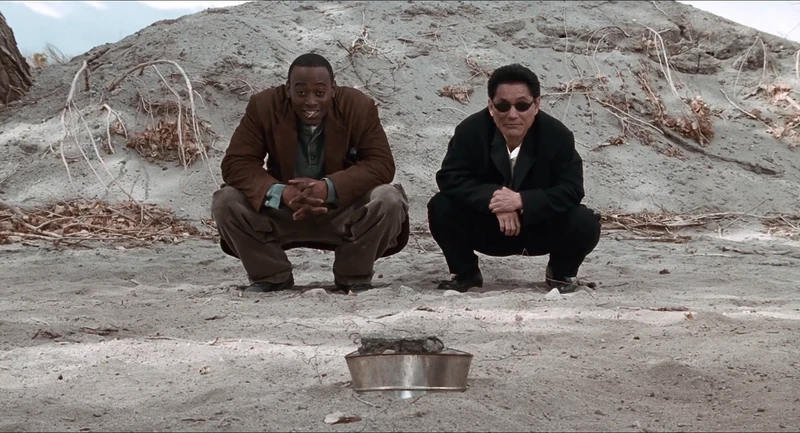
Brother (2000)
| director: | Takeshi Kitano, Beat Takeshi |
| release-year: | 2000 |
| genres: | action |
| countries: | Japan, USA |
| languages: | Japanese, English |
Beat Takeshi casts Beat Takeshi as a quiet, twitchy-faced, hyper-observant, introspective murder machine with obscured eyes. Beat Takeshi likes what he sees, and in three years will return to cast Beat Takeshi as a quiet, twitchy-faced, hyper-observant, introspective murder machine with obscured eyes for the musical sequel, Zatoichi.
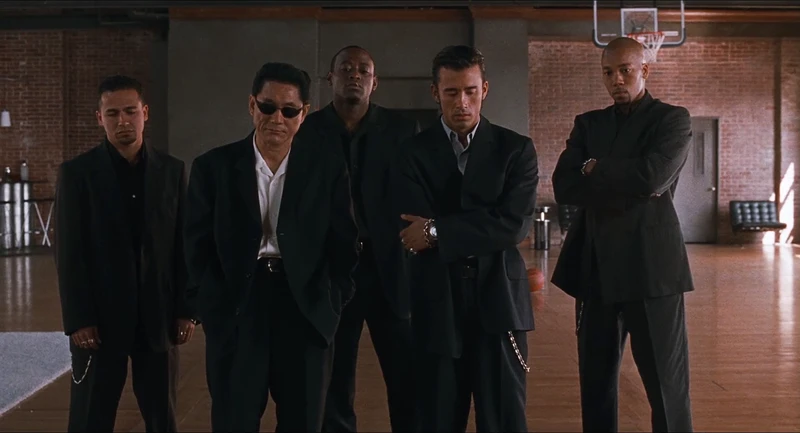
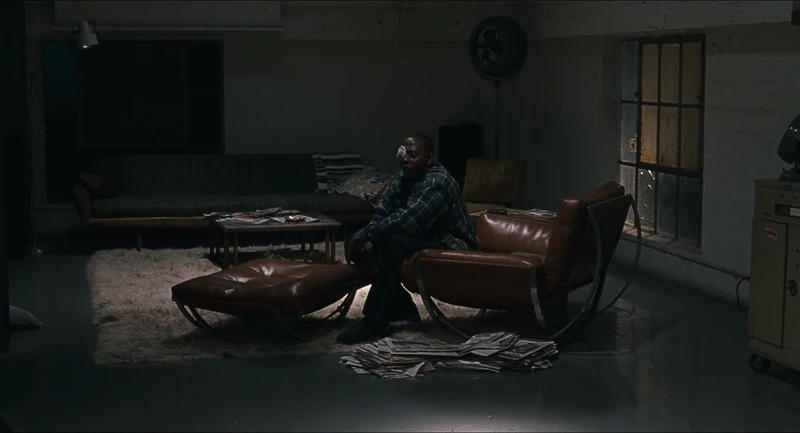
Beat is a high-level yakuza enforcer in Japan, but his family gets into a war it can't win, and Beat is forced to flee to Los Angeles to make a new life for himself. He starts off by stabbing a pre-House Omar Epps in the eye with a broken wine bottle, which kicks off Two Men – say it in your movie trailer voice now – From Different Worlds – Together By Chance – Form An Unlikely Alliance. In theaters this fall.
Beat's punk little half-brother is a low-level drug dealer, and not very good at it. Nothing his big brother can't fix, by starting several gang wars at once. They murder people left and right and build a little empire.
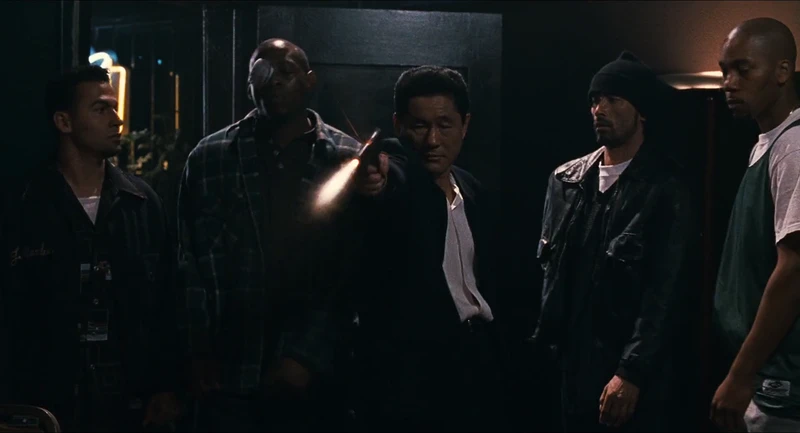
The film is slow, often silent, frequently just panning across scenes of people watching each other in judgemental silence. It's interrupted by brief moments of action, the loud rat-a-tat-tat of gunfire, voluminous sprays of blood. A lot of fingers get chopped off. All four of the represented groups – japanese, african american, hispanic, and italian american – are pure, unadulterated stereotypes pulled straight from other B-tier gangster movies. There's a random guy at an Italian table who looks like they plucked Marlon Brando straight out of The Godfather.
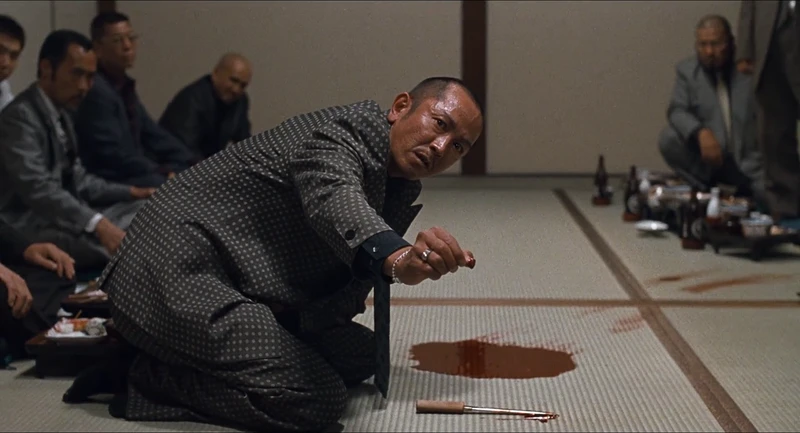
The plot is shallow and incohesive, probably intentionally, as it's a celebration of stereotypes and excess in an aggrandized American cityscape. This is Takeshi doing Tarantino.
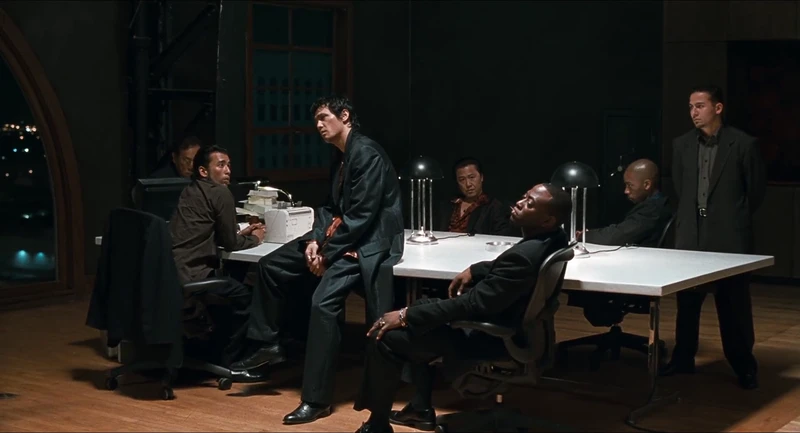
When they hit critical mass, the Italian mob moves in for a cut. All Beat knows is gang war, so gang war it is. As has been established several times already – when his friends willingly disemboweled themselves or shot themselves in the head – Beat and his pack have no qualms with honorable suicide. War with the mafia is just that, and after a long series of tit-for-tat massacres, we can say one thing for absolute certain: L.A. has no police force.
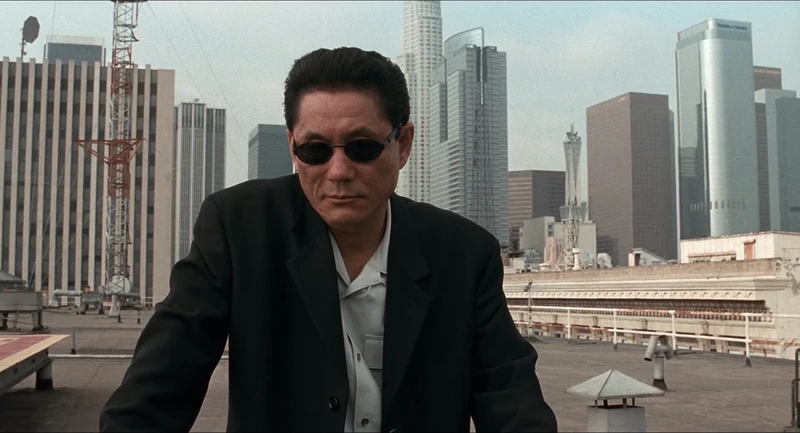
Beat lets everyone he has ever known die in a rain of bullet fire, before finally going out himself in a blaze of glory. But not before saving the one man who he ever truly considered a friend. Omar gives the last of a series of poorly executed and completely unnecessary one-man monologues as he drives off into the California desert.